
Resin vs. FDM: Why We Don’t Use Resin for Mechanical Loads
In 3D printing, there is a common misconception that UV resin (SLA/DLP) is superior to FDM in every scenario. While clear or standard resins are unbeatable for micro-details, using them for functional, load-bearing parts on a heavy RC vehicle is an engineering mistake.
Here is why we keep resin strictly where it belongs – and how we utilized this material to its absolute limit on our latest project.
The Material Limits of Photopolymers
Standard resin prints cure via photochemical reaction. While this process yields a completely isotropic structure with smooth surfaces, it introduces material characteristics that fail under mechanical stress:
- Brittleness and Impact Sensitivity: Resins generally lack the flexural toughness and elongation-at-break properties of thermoplastic engineering polymers like PA-CF, ABS, or PETG. Under dynamic shock loads – such as an RC tank driving over rough terrain – resin components snap rather than flex.
- Long-Term UV Degradation: Photopolymers continue to react when exposed to ambient sunlight. Over time, outdoor daylight causes resin to over-cure, making parts progressively more brittle and prone to stress cracks.
- Micro-Friction and Wear: Resin-on-resin or resin-on-metal sliding surfaces (like suspension pins, drive sprockets, or track links) degrade rapidly, creating fine dust and losing functional tolerances.
For these reasons, the drive systems, chassis structures, and suspension components of our RC-ready models are exclusively manufactured using heavy-duty FDM thermoplastics.
The Exception: Static Scale Perfection
That said, resin has no equal when dynamic load is removed from the equation.
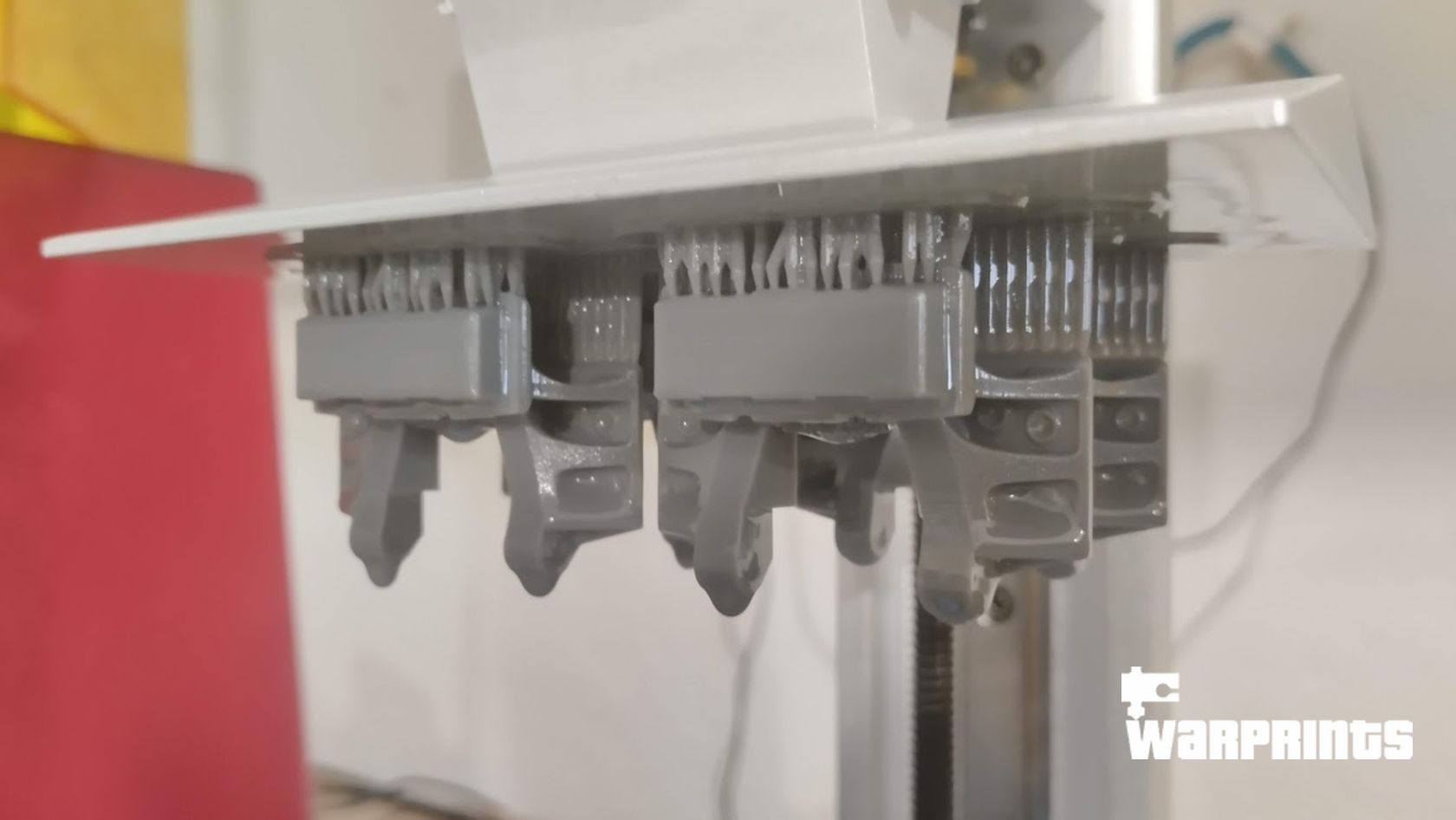
On our new static Sd.Kfz. 251 kit, we pushed every available manufacturing technology to its absolute limit. Because this specific version was designed from day one purely as a museum-grade display model, we printed all road wheels and track links in high-resolution resin.
The result is a level of surface crispness and detail that durable RC-grade thermoplastics cannot replicate.
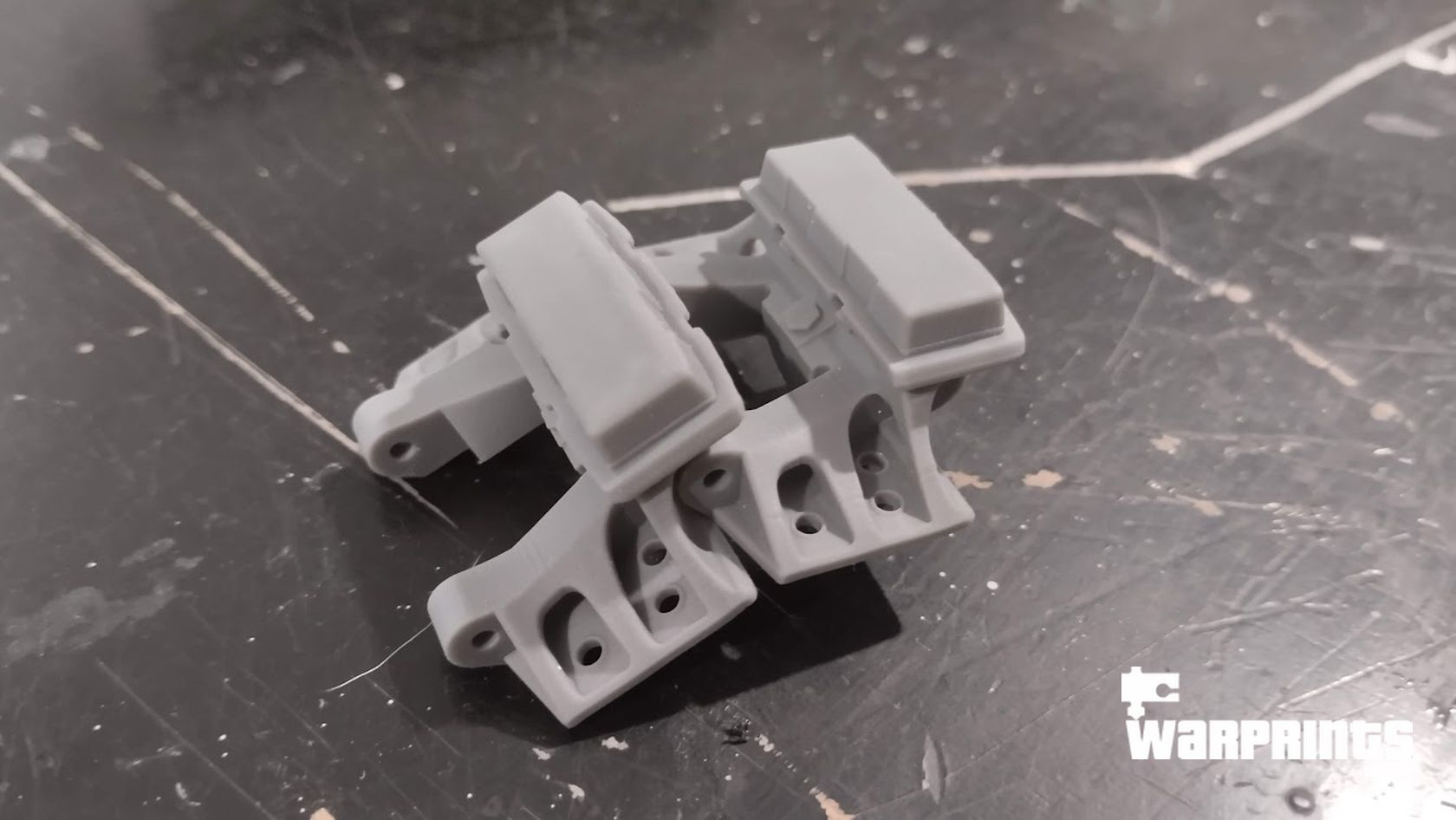
However, this distinction is critical:
- Purpose-Built Display: This static model is engineered strictly for visual perfection and ultimate scale detail.
- No RC Conversions: Because the wheels and tracks are resin, the chassis is not suitable or intended for secondary conversion into a functional RC vehicle. Attempting to run an RC drivetrain through resin running gear will lead to premature mechanical failure.
Engineering the Right Tool for the Job
High-end 1/6 scale modeling is not about picking one technology and forcing it onto every component.
It is about material discipline: using flexible and tough carbon-reinforced thermoplastics for driving physics, and sharp photopolymers where purely visual fidelity is required.