In 3D printing, there is a common misconception that UV resin (SLA/DLP) is superior to FDM in every scenario. While clear or standard resins are unbeatable for micro-details, using them for functional, load-bearing parts on a heavy RC vehicle is an engineering mistake.
Here is why we keep resin strictly where it belongs – and how we utilized this material to its absolute limit on our latest project.
Standard resin prints cure via photochemical reaction. While this process yields a completely isotropic structure with smooth surfaces, it introduces material characteristics that fail under mechanical stress:
For these reasons, the drive systems, chassis structures, and suspension components of our RC-ready models are exclusively manufactured using heavy-duty FDM thermoplastics.
That said, resin has no equal when dynamic load is removed from the equation.
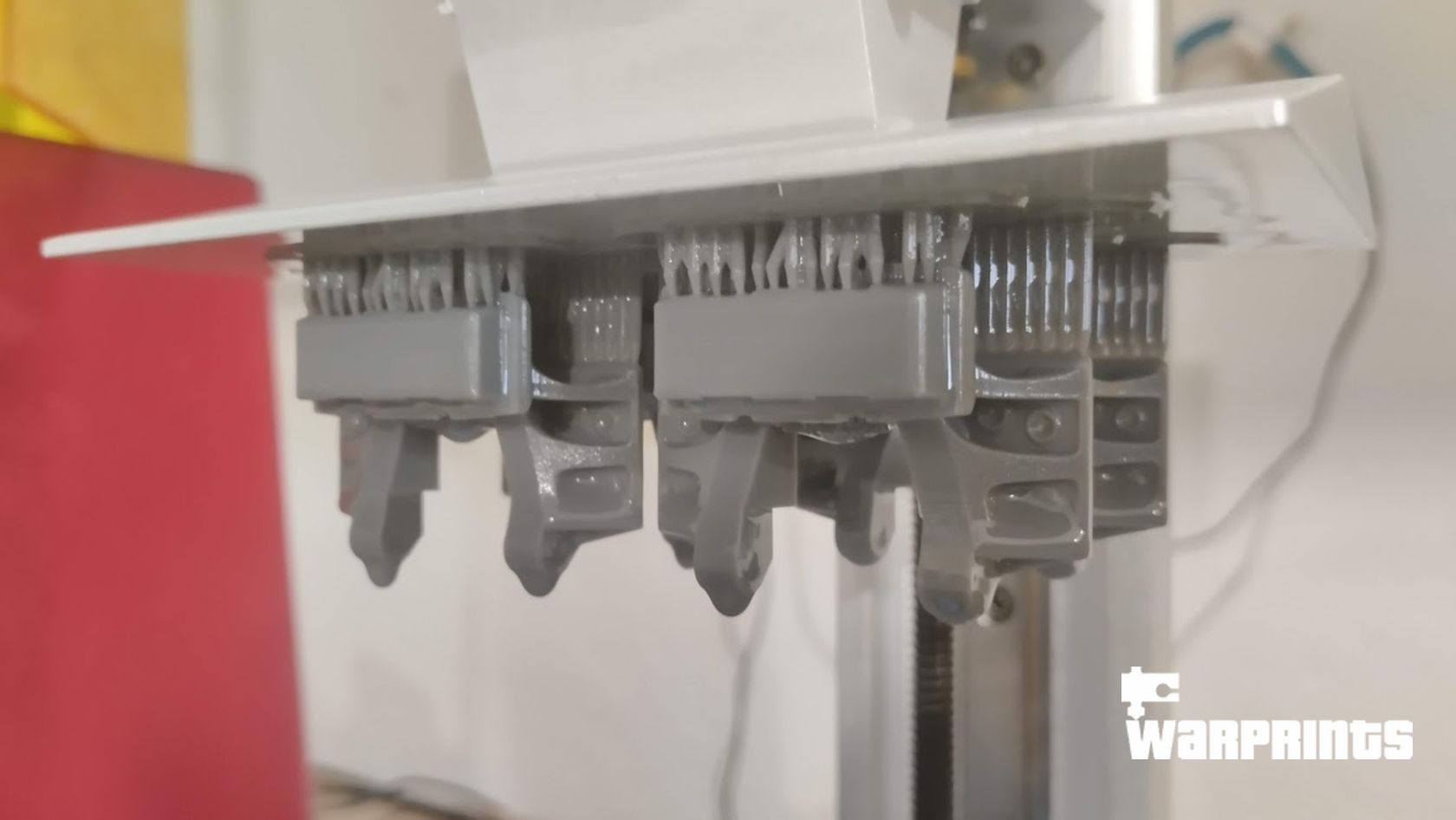
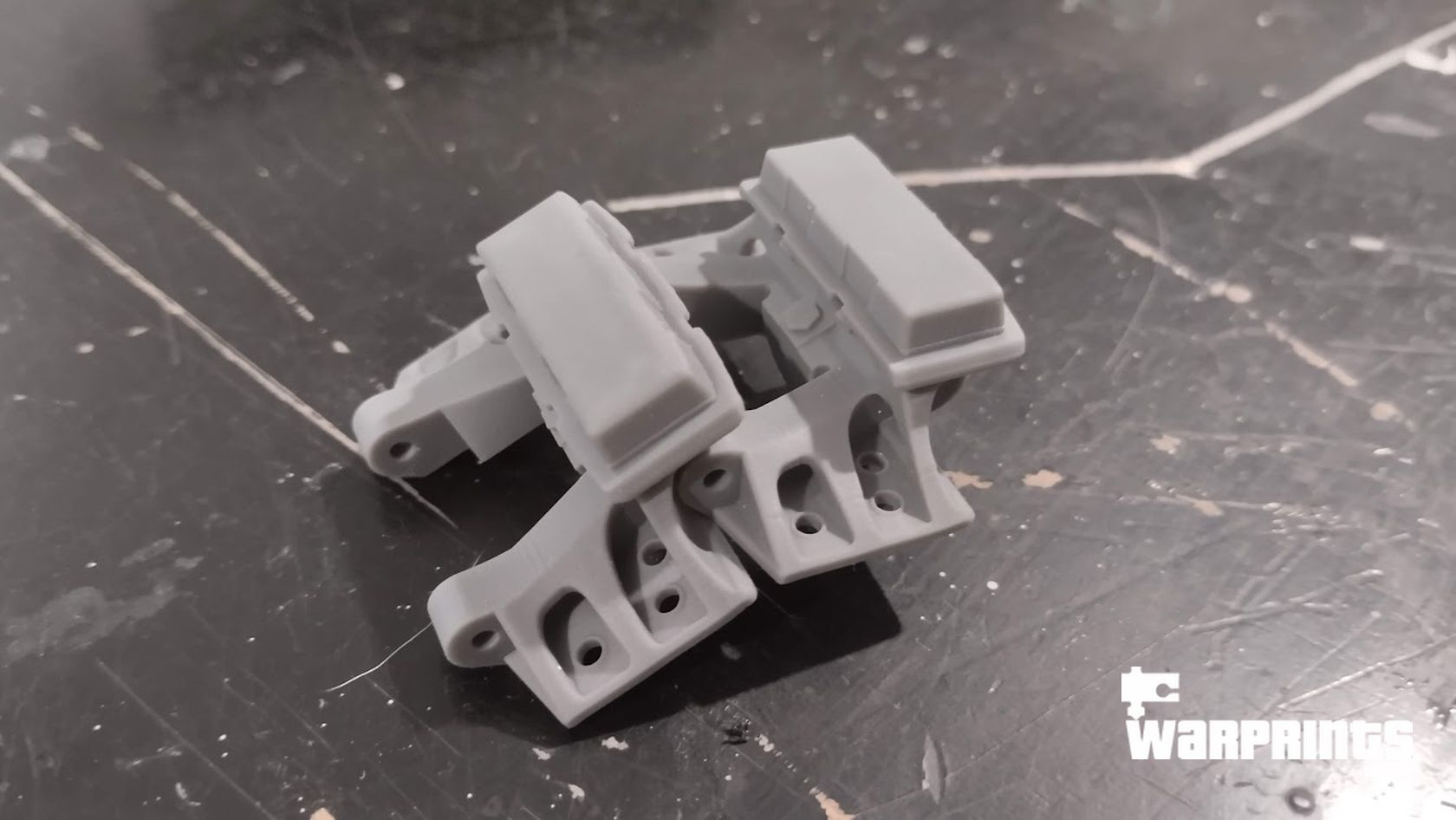
On our new static Sd.Kfz. 251 kit, we pushed every available manufacturing technology to its absolute limit. Because this specific version was designed from day one purely as a museum-grade display model, we printed all road wheels and track links in high-resolution resin.
The result is a level of surface crispness and detail that durable RC-grade thermoplastics cannot replicate.
However, this distinction is critical:
High-end 1/6 scale modeling is not about picking one technology and forcing it onto every component.
It is about material discipline: using flexible and tough carbon-reinforced thermoplastics for driving physics, and sharp photopolymers where purely visual fidelity is required.
The Evolution of 1/6 Scale Tank Periscopes: From Paint to Real Mirrors When working in…
Optimizing Production: Why We Switched from Glass and PEI to G10/FR4 Bed Surfaces In 3D…
In a 1/6 scale RC military vehicle weighing tens of kilograms, standard hobby-grade filaments fail…
Mastering Surface Quality: Why We Use Ironing Over Laser-Cut Plates When replicating armored vehicles in…
At Warprints, 3D printing is our primary manufacturing method, but it is not a cure-all.To…
New accessories were added to the online store today. An extension to our gem -…